
Table of contents
- A Quick Take on Floreana Island Ecological Restoration Project
- Galapagos Cruise Itinerary to Visit Floreana
- Timing, Transfers, and Friction Points
- Traveler Fit: Comfort, Pace, Priorities (Conservation Enthusiasts)
- Etiquette and Constraints That Actually Matter (Environmental Regulation)
- FAQ: What Changes by Itinerary
- What species are targeted for reintroduction after the giant tortoises on Floreana Island?
- How does the community benefit from the ecological restoration on Floreana?
- What conservation efforts are being made to protect the Floreana mockingbird?
- What are the specific rules for visiting the Floreana Island restoration sites?
- How can visitors directly contribute to conservation efforts while on Floreana? - Chapter One: If You Want to Do This, Here’s the Move
The Floreana Island Ecological Restoration Project represents a rare opportunity for travelers to observe a large-scale effort to revive the Galapagos’ extinct wildlife—directly reintroducing species like the giant tortoise and Floreana mockingbird. This guide will clarify whether visiting Floreana fits your priorities and what logistical barriers you might face. It is geared toward conservation-minded travelers who are comfortable with hands-on involvement, basic amenities, and potentially restricted access. The central tradeoff: if you care most about directly witnessing species reintroductions and community-driven restoration—even at the expense of creature comforts or itinerary flexibility—choose Floreana over the more developed Santa Cruz or Isabela Islands. However, detailed access regulations, basic facilities, and frequent planning friction mean Floreana may not suit general leisure travelers or those requiring fully customized trip pacing.
Understanding which travel format—expedition cruise or limited land stay—best supports your goals is essential, as each comes with its own constraints on access, activity sequence, and community interaction. For anyone considering a Galapagos trip with a focus on conservation impact and ecological engagement, this guide explains the real-world decisions, tradeoffs, and logistics specific to Floreana Island’s ongoing restoration efforts.
Key Takeaways – Floreana Island Ecological Restoration Project (Practical)
-
The restoration effort targets 12 locally extinct species, notably prioritizing the Floreana mockingbird—a species absent for generations.
-
Giant tortoises are being reintroduced as ecological engineers, but current populations are still in an early, closely managed stage.
-
Local community buy-in is integral: for instance, farmers are adapting agricultural practices and reporting higher yields as native wildlife and ecosystems rebound.
-
Entry and exploration routes remain tightly regulated; failure to review current protocols can limit which restoration sites you may actually visit.
-
Without aggressive control of invasive species, progress with native animal reintroduction will stall—priority is on planned eradication campaigns before further arrivals.
-
Choosing ecotourism options that support vetted local partners increases your positive impact—avoiding uncoordinated visits that could unintentionally set back restoration work.
A Quick Take on Floreana Island Ecological Restoration Project
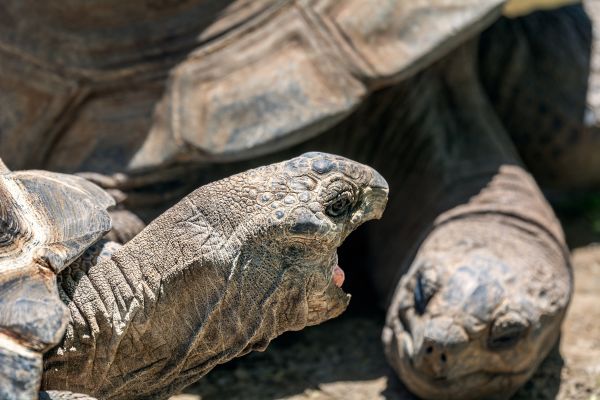
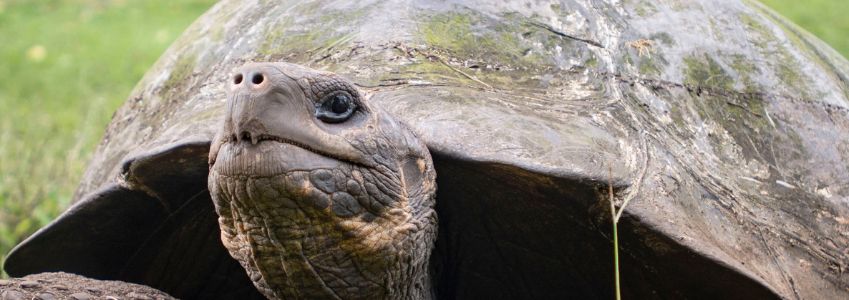
Floreana Island lies deep in the Pacific, several hundred miles from mainland Ecuador, and covers a varied ecological landscape of about 67 square miles. Historically, it supported upwards of 20,000 giant tortoises—an ecological foundation species now returning after eradication by invasive predators and hunting decimated their numbers. The current restoration approach is layered and dynamic, spanning genetic rewilding of the giant tortoise population, strategic reintroductions of once-extinct bird and reptile species like the Floreana mockingbird and racer snake, and targeted habitat restoration to accommodate them.
Concrete progress was marked in February 2026, when a group of 158 juvenile tortoises—selected based on comprehensive genetic analysis (hybrids with significant Floreana ancestry drawn from Isabela Island)—were reestablished in Floreana’s interior. This process highlights a necessary heuristic: if you want to witness the most direct conservation experiments, prioritize trips timed to coincide with scheduled reintroductions or habitat management campaigns. One limiting factor: access is purposefully staggered, and not all travelers will reach core release sites, especially during sensitive operations like species introductions or invasive species removal. Activities are often physically demanding, such as hiking in uneven volcanic terrain to access project zones, and depend highly on up-to-date permissions and park guidelines. Floreana’s strictly orchestrated restoration means visitor flexibility is secondary to ecological priorities.
Galapagos Cruise Itinerary to Visit Floreana
If you want to experience Floreana while its restoration story is actively unfolding, Alya Catamaran’s Itinerary C offers a powerful blend of wildlife, marine exploration, and conservation insight. This route connects some of the most iconic islands in the southeastern Galápagos, culminating in a meaningful visit to Floreana—now the epicenter of ecological recovery.
Beyond spectacular scenery and biodiversity, this itinerary allows travelers to understand the broader conservation framework shaping the archipelago today. It’s an immersive journey designed for those who want both adventure and depth.
Itinerary Highlights:
-
North Seymour: Frigatebirds, land iguanas, marine fossils, coastal wildlife colonies
-
South Plazas: Cliffside seabird nesting sites and large sea lion colonies
-
Santa Fe: Snorkeling in turquoise waters with sea lions, reef sharks, and rays
-
San Cristóbal: Interpretation Center for evolutionary and conservation context
-
Española (Gardner Bay & Suárez Point): Blue-footed boobies, waved albatross (seasonal), dramatic lava landscapes
-
Floreana: Cormorant Point, Devil’s Crown snorkeling, highland hiking near active restoration zones
-
Santa Cruz Highlands: Giant tortoises in the wild
For travelers seeking a Galápagos cruise that combines biodiversity, iconic landscapes, and the rare opportunity to witness Floreana’s ecological comeback in progress, Itinerary C delivers both inspiration and substance. Explore the full tour details and secure your cabin while availability remains limited.
Timing, Transfers, and Friction Points
The timing of your Floreana visit directly impacts which project milestones and species you might encounter. Weather and transfer constraints matter: June to December typically provides drier and more stable conditions for field excursions, but logistical friction remains high due to irregular boat connections (especially from Santa Cruz) and limited cruise berth availability during active restoration efforts.
Decision heuristic: If seeing scheduled tortoise introductions or hands-on community initiatives is the main draw, target your travel around official restoration event windows—though recognize these slots fill quickly, and any permit lapses or last-minute project needs can force itinerary alterations. Wet landings on exposed coastal points, early-morning departures to restoration sites, and physically strenuous hikes over lava outcrops are common. Be ready for last-minute closures of high-security sites such as tortoise pens or restoration nurseries if project leaders determine ecological risks are heightened by visitor presence or weather-driven hazards. Travelers should prepare both mentally and logistically for sudden route changes and access denials—not all advertised stops will be available every week.
Traveler Fit: Comfort, Pace, Priorities (Conservation Enthusiasts)
Floreana distinctly favors those prioritizing conservation and field engagement over luxury, comfort, or total itinerary flexibility. Most lodging providers are small-scale and rustic, and eating options may be limited to family-run restaurants or community collectives rather than conventional tourist services. It’s realistic to expect frequent early starts for field access, and the pace of activities is shaped by restoration staff availability as much as traveler choice.
If you derive satisfaction from participating in ongoing research hikes, adapting to the project's natural rhythms, and engaging with locals working directly in restoration or sustainable agriculture, Floreana will feel rewarding. However, if your preference is a low-effort, highly curated island escape with abundant amenities (as on Santa Cruz), consider another base. Those unprepared for strict visiting hours, coarse logistics, or unanticipated weather disruptions will find Floreana challenging. The best fit: travelers eager to exchange comfort for firsthand conservation action and who accept that their participation is shaped by ecological, not commercial, priorities.
Etiquette and Constraints That Actually Matter (Environmental Regulation)
Every aspect of a Floreana visit is governed by ecological rules, not just courtesy. If your intention is to support restoration rather than inadvertently undermine it, strict adherence to current park guidelines is non-negotiable. A key constraint: access to sensitive highland zones, tortoise enclosures, and bird reintroduction areas fluctuates with ongoing project demands—ignoring or disputing these boundaries risks both conservation setbacks and personal penalties.
- Respecting Wildlife: Maintain official buffer distances from all animals, especially in recently repopulated areas where behavioral acclimatization is still in progress; even quiet observers risk triggering stress responses in tortoise hatchlings or nesting rails.
- Staying on Designated Trails: Trails are shaped by active restoration mapping and may reroute without advance notice. Deviating from marked paths can undermine habitat stabilization and erase months of field progress, so always confirm your guide’s instructions are current.
- Participating in Leave No Trace Principles: Every group is required to pack out all waste—even biodegradable materials—as minor contamination can derail invasive species control. Groups failing to do so risk loss of future access privileges for operators and communities.
Understanding and following these constraints is not a minor detail; it is foundational to the restoration project’s long-term viability.
FAQ:
What species are targeted for reintroduction after the giant tortoises on Floreana Island?
The next scheduled reintroductions prioritize historically native birds and reptiles—starting with the Floreana mockingbird. Subsequent candidates are the Floreana racer snake and select types of Darwin’s finches (such as the vegetarian and large ground finches). The actual timing will be determined by ongoing habitat assessments and stabilization of invasive species challenges; therefore, choosing itinerary dates that align with major habitat restoration phases increases the chances of witnessing these reintroductions.
How does the community benefit from the ecological restoration on Floreana?
Local farmers and residents play a direct part in restoration, integrating sustainable practices that have already resulted in better crop yields and agricultural resilience. New ecotourism revenue is closely tied to project-aligned lodging and guided activity options—meaning greater long-term benefit for those involved with official conservation partnerships compared to isolated, non-participatory tourism.
What conservation efforts are being made to protect the Floreana mockingbird?
Ongoing efforts are grounded in site-specific habitat monitoring and adjustment. The timing for releasing the Floreana mockingbird hinges on the readiness of native flora and the successful management of ecological risks from invasive species. Current visitor routes may bypass these critical areas to avoid disturbing pre-release preparation or monitoring, so if your goal is to see direct interventions, coordinate travel with known project benchmarks.
What are the specific rules for visiting the Floreana Island restoration sites?
Visitors are bound by compulsory access restrictions: only marked trails can be used, with wildlife viewing zones demarcated seasonally depending on the sensitivity of physical restoration work and animal behaviors. These regulations are periodically revised during intensified rewilding periods—visitors, guides, and operators must confirm compliance before every excursion.
How can visitors directly contribute to conservation efforts while on Floreana?
Purposeful choices matter most: booking through established community ecotourism channels and selecting experiences that funnel proceeds into restoration activities amplifies your contribution. Bypassing these vetted options risks undermining both the ecological and social frameworks designed to support the island’s recovery.
Chapter One: If You Want to Do This, Here’s the Move
If your travel objective is to be present for real-time ecological restoration, Floreana should be on your shortlist, but only if you are prepared for restrictions, physical effort, and potentially unpredictable access to marquee wildlife events. Prioritize itineraries that interleave expedition cruise stops with booked community immersion, ensuring both interpretative depth and tangible support for local conservation stakeholders. The most effective move: regularly monitor project progress, commit to current access guidelines, and select local partners vetted by the restoration consortium. Floreana’s restoration story is continuously evolving—be ready to adapt as regulations, community priorities, and ecological imperatives dictate the realities on the ground.